Cliffside Dreams: Wandering Through Cinque Terre’s Living Postcard
Cinque Terre’s iconic villages rise like a mirage from the Ligurian Sea—five splashes of color clinging to sheer cliffs, each a masterpiece of human ingenuity and resilience. More than just scenic backdrops, these buildings tell tales of adaptation, community, and harmony with nature. From narrow alleyways to sun-bleached facades, every architectural detail serves a purpose. This journey explores how centuries-old design continues to shape one of the world’s most breathtaking coastal landscapes—and why understanding these structures deepens the travel experience beyond the postcard view.
The First Glimpse: Arrival in a Fairytale Landscape
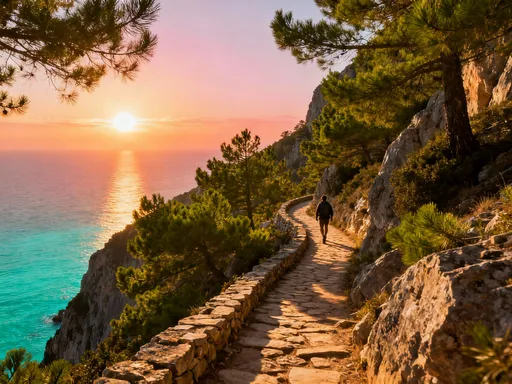
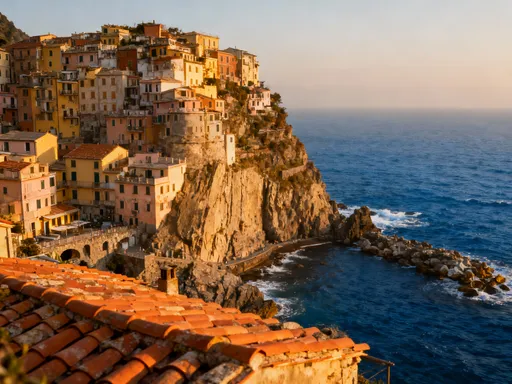
Approaching Cinque Terre is an experience that lingers long after the journey ends. Whether arriving by train along the winding coastal tracks, hiking the famed Sentiero Azzurro, or gliding toward shore by boat, the first sight of the villages suspended above the sea feels almost unreal. The landscape unfolds in layers—turquoise water below, jagged limestone cliffs rising sharply, and then, clinging impossibly to the rockface, clusters of brightly painted homes stacked like children’s blocks. This is not gentle countryside; it is drama carved by time and tamed by human hands.
The five villages—Monterosso al Mare, Vernazza, Corniglia, Manarola, and Riomaggiore—each possess a distinct character, yet they share a unified architectural rhythm. Their homes are built vertically, not out of aesthetic choice alone, but necessity. With little flat land available, generations of residents turned upward, constructing homes that climb the cliffs in terraced rows. The density is remarkable: houses lean on one another, sharing walls and rooftops, forming a continuous fabric that seems to grow from the rock itself. This verticality maximizes space while minimizing the footprint on fragile slopes.
From a distance, the contrast between the wild, untamed coastline and the orderly, colorful settlements is striking. The natural cliffs are rugged and gray, worn smooth by wind and salt spray, while the buildings burst with life—ochre, terracotta, seafoam green, and deep sapphire blue. Yet this contrast is not opposition; it is dialogue. The architecture does not dominate the landscape—it answers to it. Each village follows the natural curves of the terrain, with pathways tracing ancient contours and rooftops mirroring the incline of the earth. This harmony between built and natural environments is central to Cinque Terre’s enduring appeal.
Travelers often speak of feeling as though they’ve stepped into a painting. But this is no illusion. The beauty of Cinque Terre is rooted in function, shaped by centuries of adaptation to one of Europe’s most challenging coastal environments. The first glimpse may feel magical, but the magic is grounded in resilience, foresight, and an intimate understanding of place.
Foundations on the Edge: How Houses Defy the Cliffside
What makes Cinque Terre’s architecture so remarkable is not merely its beauty, but its ability to endure. These homes stand where few modern engineers would dare to build—on steep, unstable slopes battered by storms and erosion. Their survival is a testament to centuries of refined craftsmanship and deep environmental knowledge. The secret lies not in grand engineering feats, but in thoughtful, localized solutions that blend strength with subtlety.
At the heart of this resilience are the terraced foundations. Long before concrete and steel, builders used locally quarried stone—primarily sandstone and schist—to construct retaining walls that hold back the earth. These dry-stone walls, built without mortar, allow water to drain through while maintaining structural integrity. They follow the natural contours of the hills, creating level platforms on which homes could be safely erected. Over time, these terraces became the backbone of both agriculture and habitation, supporting vineyards and houses alike.
The homes themselves are anchored deep into the rock. Foundations extend into bedrock wherever possible, and load-bearing walls are often twice as thick at the base as they are at the top, distributing weight efficiently. Builders used stone for lower levels and stuccoed brick or rubble masonry above, balancing durability with lighter materials. Roofs are typically pitched steeply to shed rain quickly, and overhangs protect walls from direct exposure to storms.
Modern preservation efforts have reinforced these traditional methods rather than replacing them. UNESCO, in partnership with Italian heritage authorities, mandates that restoration work use compatible materials and techniques. Steel reinforcements are sometimes added discreetly, but never at the expense of historical authenticity. The goal is not to freeze the villages in time, but to ensure they continue evolving safely. This balance—between safeguarding the past and preparing for the future—is central to Cinque Terre’s survival.
Walking through the villages, one can see the evidence of this ongoing dialogue between nature and construction. Cracks in walls are carefully monitored, drainage systems are regularly maintained, and new construction is strictly regulated. The result is a built environment that feels alive—not frozen in a museum, but breathing, adapting, and enduring.
Color as Identity: The Meaning Behind the Facades
The vibrant facades of Cinque Terre are among its most photographed features, but their colors are far more than decorative. Each hue carries history, function, and cultural meaning. The bold yellows, pinks, corals, and blues that drape the villages were not chosen merely for visual impact—they emerged from practical needs and local resources, evolving into a signature identity that defines the region.
Historically, pigments were derived from minerals found in the surrounding hills. Iron oxide produced warm reds and ochres, while copper compounds yielded greens and blues. These natural paints protected stucco walls from the sun’s UV rays and the corrosive effects of sea salt. Over time, certain colors became associated with specific villages—Riomaggiore’s deep reds, Manarola’s golden yellows—helping fishermen identify their homes from the water, especially in low light or fog.
Color also served a communal purpose. In an era before street numbers, families used distinctive shades to mark their homes. A bright pink doorway or a turquoise shutter could guide a neighbor through narrow alleyways. This tradition persists today, though now it is guided by regulation. The local preservation board maintains strict guidelines on paint colors, ensuring that renovations maintain the chromatic authenticity of each village. Homeowners must choose from an approved palette, preventing jarring modern tones from disrupting the visual harmony.
Beyond preservation, color has become a symbol of cultural pride. Residents take care in maintaining their facades, repainting every few years to keep the villages radiant. This attention to detail is not driven solely by tourism, though visitors undoubtedly appreciate the beauty. For locals, the colors represent continuity—a living connection to ancestors who built and painted these homes with the same care.
For travelers, understanding the meaning behind the colors transforms a simple photograph into a deeper appreciation. The next time you see a postcard of Manarola at sunset, know that the golden glow is not just light—it is history, resilience, and identity, painted in layers over centuries.
Vertical Living: Designing Homes in Impossible Spaces
Life in Cinque Terre is lived on an incline—literally. With space at a premium, homes are designed to occupy minimal ground area while maximizing usable space across multiple levels. The result is an architecture of adaptation, where every square meter is carefully considered, and innovation is born of necessity.
Most homes have narrow street-level entrances, sometimes just wide enough for a single person. Inside, the layout unfolds vertically: staircases connect rooms that may be only a few steps apart in elevation but separated by multiple floors. It is common to enter a home at what appears to be ground level, only to find that the kitchen opens onto a terrace two stories above sea level, or that the bedroom sits directly beneath a neighbor’s garden. This staggered arrangement allows for private outdoor spaces despite extreme density.
Storage is ingeniously integrated into the structure. Under-stair cupboards, wall niches, and retractable shelves make efficient use of tight spaces. Many homes feature small internal courtyards or light wells, bringing natural light deep into the interior. Windows are strategically placed to capture sea views and breezes, while thick walls help regulate indoor temperatures—cool in summer, insulated in winter.
Shared walls are the norm, not the exception. This not only conserves space but also strengthens the structural integrity of the buildings. Entire blocks function as single units, with roofs supporting upper floors and foundations interlocked across properties. This interconnectedness fosters a strong sense of community. Neighbors know one another, share resources, and often collaborate on maintenance. The architecture itself encourages closeness—both physical and social.
Daily life in these homes requires adjustment. Groceries must be carried up steep paths, deliveries are made by hand, and emergency access is limited. Yet residents speak of the rewards: the quiet mornings, the sound of waves below, the sense of belonging to a place that demands care and offers beauty in return. For the traveler, recognizing this balance—between challenge and charm—adds depth to the experience of visiting.
Windows, Doors, and Alleyways: The Rhythm of Movement
The soul of Cinque Terre’s architecture lies not in grand monuments, but in the small details that shape daily life. Arched doorways, shuttered windows, and vaulted passageways are more than decorative elements—they are functional responses to climate, topography, and tradition.
Windows are typically tall and narrow, with wooden shutters painted in deep green or blue. These shutters serve multiple purposes: they block intense afternoon sun, allow cross-ventilation, and can be closed during storms to protect against wind and rain. Many homes have two sets of shutters—one for light control, another for insulation—demonstrating a deep understanding of microclimate management.
Doors are often recessed into thick walls, creating small entry niches that offer shelter from rain. Arched lintels, a hallmark of Mediterranean design, distribute weight efficiently over doorways, allowing for larger openings without compromising structural stability. These arches also create soft shadows, adding visual rhythm to the streetscape.
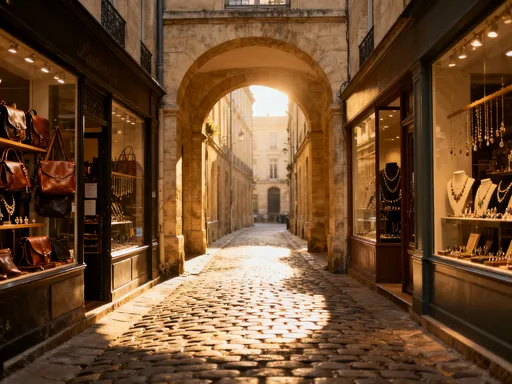
The network of alleyways—known locally as *carruggi*—is perhaps the most defining feature of village circulation. These narrow, cobbled passages were designed for pedestrians long before automobiles existed. They follow the natural slope of the land, winding uphill in gentle zigzags to reduce steepness. Some are barely wide enough for two people to pass, creating intimate, human-scaled environments.
The *carruggi* do more than connect homes—they shape social life. Their narrowness slows movement, encouraging conversation and chance encounters. Echoes of footsteps, the scent of basil from a kitchen window, the sudden glimpse of the sea through a gap in the buildings—all contribute to a sensory experience that is both calming and engaging. Sea breezes funnel through these corridors, cooling the villages naturally. Drainage channels run alongside the paths, directing rainwater away from homes and preventing erosion.
For visitors, walking these alleyways is an act of immersion. There are no wide boulevards or tourist plazas to distract—the journey is the destination. Each turn reveals a new perspective, a hidden courtyard, a weathered door with a brass handle worn smooth by generations. This is architecture that invites slowness, observation, and connection.
From Vineyards to Viewpoints: Buildings Beyond Homes
While the colorful houses capture the eye, Cinque Terre’s built environment extends far beyond residential structures. Scattered across the hillsides are remnants of a working landscape—dry-stone terraces, hillside chapels, ancient watchtowers, and family-run wineries—that speak to the region’s agricultural and spiritual heritage.
The terraces, supported by the same dry-stone walls that stabilize homes, were originally built to cultivate olives, lemons, and grapes. Today, they remain vital to the local economy, particularly for the production of *Sciacchetrà*, a sweet dessert wine unique to the region. These terraces are not just agricultural features—they are structural elements that prevent landslides by holding soil in place. Their maintenance is essential, requiring constant care from local farmers and conservation groups.
Religious structures are modest but meaningful. The Oratory of Santa Maria Assunta in Vernazza, with its pastel facade and bell tower rising above the harbor, serves as both a place of worship and a community landmark. Smaller chapels dot the hiking trails, offering rest and reflection for pilgrims and hikers alike. These buildings are intentionally simple, blending into the landscape rather than dominating it.
Tourism infrastructure is carefully integrated. Trailside rest stops, viewing platforms, and signage are designed to be low-impact, using local materials and neutral tones. The goal is to enhance access without compromising authenticity. Even the famous hiking trails are maintained using traditional methods—stone steps repaired by hand, handrails made of wood rather than metal.
These non-residential structures remind us that Cinque Terre is not a museum exhibit, but a living, working landscape. Every wall, path, and building has a purpose—one that sustains both people and place.
Preserving the Palette: Challenges and Commitments
Despite its timeless appearance, Cinque Terre faces significant threats. Climate change has intensified rainfall, leading to landslides that endanger homes and trails. Overtourism strains infrastructure, with millions of visitors arriving each year. The delicate balance between preservation and accessibility is under constant pressure.
UNESCO, which designated the area a World Heritage Site in 1997, works closely with regional authorities to implement conservation programs. Strict building codes regulate renovations: no modern materials, no unauthorized extensions, and no deviations from approved paint colors. Rooftop additions and air conditioning units must be concealed to maintain visual harmony.
Local communities play a vital role in preservation. Volunteer groups maintain trails, farmers restore terraces, and families pass down traditional building skills. Educational programs teach residents and visitors about sustainable practices. The Cinque Terre National Park manages visitor flow, requiring hikers to purchase permits and follow designated routes.
The future of Cinque Terre depends on balancing tradition with innovation. Solar panels are being discreetly installed on rooftops, and rainwater harvesting systems are being introduced. These modern adaptations respect the past while preparing for the future. The goal is not to stop change, but to guide it with care.
More Than a Postcard—A Living Heritage
Cinque Terre’s beauty is not accidental. It is the result of centuries of intelligent design, communal effort, and deep respect for the natural world. Every painted wall, every stone step, every shuttered window tells a story of adaptation and resilience. To visit is not just to witness beauty, but to engage with a living heritage—one that continues to evolve.
Travelers are encouraged to look beyond the photograph, to see the wisdom in the architecture, the courage in the foundations, and the pride in the colors. To walk the *carruggi* is to participate in a tradition of slowness, connection, and care. This is not a place to rush through, but to inhabit, even if only for a moment.
As you stand on a cliffside path, gazing at the sea below and the painted homes above, remember: you are not just seeing a postcard. You are witnessing a testament to human ingenuity, a dialogue between land and life that has endured for centuries. Visit not as a spectator, but as a respectful witness—to listen, to learn, and to carry forward the value of thoughtful, sustainable living.