Road Trippin’ to the Rhythm: Santiago’s Festivals Unlocked by Wheel
Driving through Santiago, Chile, isn’t just about the destination—it’s about freedom, discovery, and timing your journey with the city’s vibrant pulse. I hit the road during Festival del Centro, and let me tell you, the streets came alive in ways I never expected. From spontaneous parades to open-air concerts under the Andes’ gaze, every turn revealed a new celebration. This is more than travel—it’s immersion. The city pulsed with music spilling from plazas, dancers in traditional costumes weaving through crowds, and the scent of empanadas and grilled meat lingering in the air. What made it unforgettable wasn’t just the festivities themselves, but the ability to move at my own pace, guided by curiosity rather than schedules. This is the magic of exploring Santiago’s festivals by car—where rhythm meets the road, and every drive becomes a story.
Why Santiago? The Allure of Chile’s Beating Heart
Santiago stands as the cultural and geographic heart of Chile, a city where modernity dances with tradition against the dramatic backdrop of the Andes. Nestled in a fertile valley, it serves as both a gateway to the country’s diverse landscapes and a living museum of its heritage. For travelers, this capital offers a rare blend: cosmopolitan energy in its neighborhoods like Bellavista and Lastarria, yet just a short drive from serene vineyards, historic towns, and mountain retreats. Its central location makes it an ideal launchpad for cultural exploration, especially during festival season when the entire region comes alive with color and sound.
One of the greatest advantages of visiting Santiago during its festive periods is the freedom that comes with having a car. Public transportation can be reliable within the city, but it often lacks the flexibility needed to fully experience events that unfold across multiple districts or in outlying communities. With a vehicle, travelers can attend morning celebrations in the historic center, drive to a midday performance in a nearby commune, and end the evening at a local *fonda*—a traditional festival tent—without being constrained by bus routes or metro schedules. This autonomy transforms a simple visit into a dynamic, personalized journey through Chilean culture.
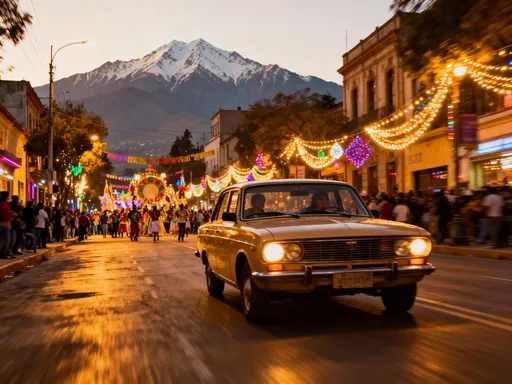
The city’s unique geography enhances this experience. Surrounded by mountains, Santiago offers breathtaking views that accompany every drive, especially during golden hour when the peaks glow in soft alpenglow. The contrast between urban vibrancy and natural tranquility is striking—by day, the city buzzes with street performers and food vendors; by night, the distant silhouette of the Andes provides a calming presence. This duality allows travelers to balance high-energy festival immersion with moments of quiet reflection, whether pausing at a roadside mirador or taking a detour through a quiet rural path after a long day of celebration.
Festival Seasons: Timing Your Drive for Maximum Magic
To truly unlock Santiago’s festival spirit, timing is everything. The city’s cultural calendar is rich and varied, with key celebrations spaced throughout the year, each offering a distinct flavor of Chilean life. Among the most vibrant is the Festival del Centro, an annual event that revitalizes downtown Santiago with music, art installations, and community performances. Typically held in the spring or early summer, this festival transforms pedestrian zones into open-air stages, inviting both locals and visitors to reconnect with the city’s historic core. For those traveling by car, this is an ideal time to explore, as many central streets are closed to regular traffic, creating safe, walkable zones that are easily accessed by parking on the periphery.
Another highlight is Fiestas Patrias, Chile’s national holiday celebrated every September. Marking the country’s independence, this week-long celebration is a sensory explosion of traditional music, dance, food, and rodeo events. Across Santiago and its surrounding regions, *fondas* pop up in parks and open spaces, offering everything from *asado* (barbecue) to *cumbia* dancing under string lights. With a car, travelers can visit multiple *fondas* in a single evening, experiencing regional variations in food and customs. Some communities emphasize folkloric performances, while others focus on equestrian traditions, giving each stop a unique character.
Verano Urbano, or Urban Summer, is another seasonal favorite, bringing outdoor concerts, film screenings, and dance workshops to public plazas during the warmer months. These events are often free and family-friendly, making them perfect for travelers seeking authentic local experiences. The rhythm of life in Santiago shifts during these months—days are longer, streets are livelier, and spontaneous gatherings are common. By planning a road trip around these festival windows, visitors align themselves with the natural pulse of the city, ensuring their journey is not just seen, but felt.
Behind the Wheel: Planning Your Festival Road Journey
Successful festival exploration by car begins with smart planning. Renting a vehicle in Santiago is straightforward, with multiple international and local agencies operating at the airport and in the city center. Compact cars are often the best choice, as they are easier to park and more fuel-efficient, especially when navigating narrow colonial streets in older districts. It’s advisable to book in advance during peak festival seasons, as demand rises and availability diminishes. When selecting a rental, ensure it includes comprehensive insurance and roadside assistance, particularly if you plan to venture beyond the city limits.
Navigation is another critical component. While apps like Google Maps and Waze are widely used and generally reliable in urban areas, internet connectivity can be spotty in rural zones or mountainous regions. To prepare, download offline maps of Santiago and surrounding areas before departure. These can be lifesavers when driving to remote festivals or vineyard events where signal is weak. Additionally, familiarize yourself with key routes such as Autopista Central, Américo Vespucio, and Alameda, which connect major districts and provide access to peripheral celebrations.
Understanding Chilean driving norms is essential for a smooth experience. Drivers keep to the right, and roundabouts are common—remember to yield to traffic already in the circle. In Santiago, rush hours (7–9 a.m. and 6–8 p.m.) can bring heavy congestion, so scheduling drives outside these times helps avoid frustration. Rural roads, while scenic, may be unpaved or narrow, requiring caution and reduced speed. Always carry a physical map as a backup, along with extra water, snacks, and a portable phone charger. These small preparations ensure that the journey remains enjoyable, even when the unexpected arises.
Urban Beats: Experiencing Santiago’s Street Festivals Firsthand
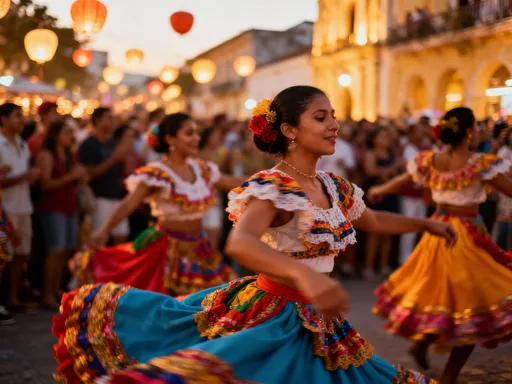
There’s a unique thrill in arriving at a Santiago festival by car and stepping into a world transformed. Public plazas like Plaza de Armas, Plaza Baquedano, and Plaza Italia become vibrant stages during major events, filled with musicians, dancers, and artisans. The atmosphere is electric—children laugh as they try their hand at traditional games, elders sway to the rhythm of *cueca* music, and the air hums with the sound of live bands playing everything from folkloric tunes to contemporary Chilean rock. These spaces, usually reserved for daily commerce and transit, are reborn as communal celebration grounds, offering a powerful reminder of the city’s cultural resilience and joy.
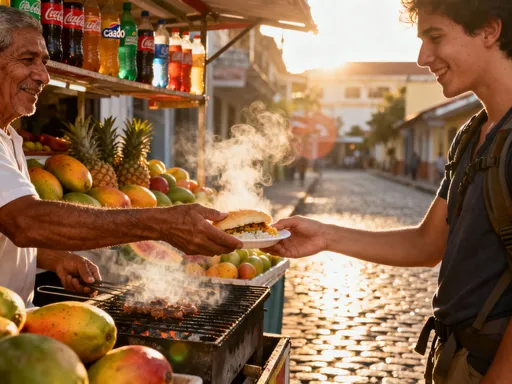
What makes these urban festivals so compelling is the seamless fusion of music, dance, and cuisine. Food stalls line the sidewalks, serving *empanadas de pino*, *completos* (Chilean hot dogs), and *terremotos* (a sweet wine cocktail). Each bite tells a story—of family recipes passed down through generations, of regional ingredients, of shared meals that strengthen community bonds. In neighborhoods like La Vega or Patronato, the festival experience extends beyond official programming, with impromptu performances in courtyards and open markets. Travelers who wander with curiosity are often rewarded with intimate moments: a grandmother teaching a child to dance, a local musician offering a private serenade, or a vendor sharing the history behind a handmade craft.
These celebrations are not merely entertainment—they are expressions of Chilean identity. Through music and ritual, they honor the country’s indigenous roots, colonial history, and modern diversity. The *cueca*, Chile’s national dance, for example, is more than a performance; it symbolizes courtship, resilience, and national pride. When visitors witness or even participate in these traditions, they’re not just observing culture—they’re becoming part of it. And with a car, they can move fluidly between these experiences, creating a personal narrative that weaves together multiple facets of Santiago’s soul.
Beyond the City: Day Trips to Hidden Celebrations
While Santiago’s urban festivals are captivating, some of the most authentic experiences lie just beyond the city limits. With a car, travelers can venture into nearby towns and rural areas where celebrations retain a more intimate, community-driven character. During Fiestas Patrias, for instance, small villages host their own *fondas*, often less commercialized and more rooted in tradition than their urban counterparts. These gatherings offer a chance to connect with locals, enjoy homemade dishes like *cazuela* or *pastel de choclo*, and witness traditional rodeos known as *huaso* competitions, where skilled horsemen demonstrate their prowess in timed events.
One particularly rewarding destination is the Maipo Valley, a short drive southeast of Santiago and one of Chile’s oldest and most renowned wine regions. In late summer, many vineyards host harvest festivals, or *fiestas de la vendimia*, celebrating the grape-picking season with music, dancing, and, of course, wine tastings. These events are family-oriented and deeply connected to the land, offering a slower, more reflective contrast to the city’s high-energy festivities. Visitors can tour working wineries, learn about the winemaking process, and enjoy meals prepared with local ingredients, all while surrounded by rolling hills and vine-covered slopes.
Other destinations include the artisan towns of San Francisco de Mostazal or Machalí, where craftspeople open their workshops during festival times, demonstrating techniques in pottery, weaving, and woodcarving. These off-grid experiences provide a deeper understanding of Chilean life, away from tourist crowds. The journey itself becomes part of the adventure—winding roads through farmland, sudden views of snow-capped peaks, and chance encounters with roadside fruit stands selling *chirimoyas* or *murtas*. By embracing these detours, travelers gain not just memories, but a richer, more nuanced appreciation of the culture.
Smart Festival Driving: Balancing Adventure and Practicality
While the freedom of the open road enhances the festival experience, it also comes with practical challenges that require thoughtful navigation. Parking, in particular, can be a major concern during peak events. In central Santiago, public garages are available but often fill up quickly. Arriving early or using park-and-walk strategies—parking a short distance away and finishing the journey on foot—can save time and stress. In smaller towns, parking may be more abundant, but it’s still wise to follow local signage and avoid blocking private driveways or emergency access points.
Vehicle security is another important consideration. While Santiago is generally safe for tourists, it’s prudent to avoid leaving valuables visible in the car, especially when parked in busy or unfamiliar areas. Use hotel or secure parking lots when possible, and consider renting a vehicle with a built-in GPS tracker for added peace of mind. Fuel stations are plentiful in the city and along major highways, but in rural zones, it’s wise to refill whenever the opportunity arises, as services may be sparse. Keeping a small emergency kit—flashlight, first aid supplies, basic tools—adds another layer of preparedness.
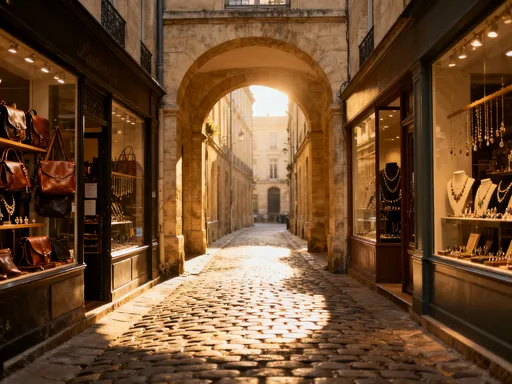
Equally important is knowing when to leave the car behind. Some festival zones, particularly in the historic center, are best explored on foot. Narrow cobblestone streets, crowded plazas, and pedestrian-only areas limit vehicle access and make walking the most enjoyable option. By combining driving with walking, travelers gain the best of both worlds: the reach and flexibility of a car, paired with the intimacy and spontaneity of foot travel. This hybrid approach allows for deeper engagement with the environment, whether pausing to chat with a street artist or lingering at a pop-up food stand that catches the eye.
The Soul of the Journey: Why This Road Trip Changes How You Travel
More than just a series of destinations, a festival-driven road trip through Santiago reshapes the very way one experiences travel. It encourages a slower, more intentional rhythm—one that values presence over productivity, connection over convenience. Behind the wheel, travelers are not passive observers but active participants in a living culture, guided by curiosity and serendipity. Each decision—to take a side road, to stop at a roadside market, to linger at a village fair—becomes an act of engagement, deepening the bond between visitor and place.
This style of travel fosters personal growth in subtle but meaningful ways. It builds confidence in navigating unfamiliar environments, sharpens adaptability, and nurtures a sense of independence. For many, especially women traveling solo or with family, the ability to move safely and freely at their own pace is empowering. It allows for moments of solitude amid the celebration, space to reflect, and the freedom to redefine what a vacation can be. The road becomes a companion, not just a path, offering solitude one moment and connection the next.
Ultimately, driving through Santiago’s festivals is about embracing the unexpected. It’s about hearing a distant drumbeat, following it down a quiet street, and stumbling upon a dance circle that welcomes you with smiles. It’s about sharing a meal with strangers who feel like friends, or watching the sunset over the Andes after a day of celebration, the car parked quietly at a roadside stop. These are the moments that linger long after the journey ends—not because they were perfect, but because they were real.
This journey isn’t just about attending festivals—it’s about living them, one open road at a time.