Lost in the Clouds: La Paz’s Hidden Natural Wonders You’ve Never Heard Of
Nestled high in the Andes, La Paz, Bolivia, is far more than a bustling mountain city—it’s a gateway to breathtaking natural secrets. Few travelers realize the wild beauty just beyond the urban streets: misty canyons, surreal salt flats, and vibrant highland trails. While many pass through en route to other destinations, those who pause discover a landscape shaped by time, altitude, and elemental forces. From clay spires carved by wind to glacial lakes reflecting snow-capped peaks, La Paz offers access to some of South America’s most dramatic yet overlooked ecosystems. This is real, raw nature at its most majestic, waiting just beyond the city’s edges.
Why La Paz is a Natural Wonder You’ve Underestimated
Situated at an elevation between 3,200 and 4,100 meters above sea level, La Paz is one of the highest capital cities in the world, cradled within a deep canyon surrounded by the towering peaks of the Cordillera Real. Its dramatic topography alone sets it apart—few capitals are framed by such raw, unspoiled natural grandeur. The city rises vertically from the valley floor, its neighborhoods cascading up steep slopes like terraced vines, often shrouded in morning mist that parts to reveal the ever-watchful Illimani, its snow-capped summit gleaming under the Andean sun.
Yet beyond the urban sprawl lies a mosaic of ecosystems shaped by La Paz’s unique position. Located where the high Andes meet the upper Amazon basin, the region supports an extraordinary range of climates and biodiversity. Within a single day’s journey, travelers can move from arid alpine zones to humid cloud forests, each harboring distinct plant and animal life. This ecological richness remains largely unrecognized by mainstream tourism, which often treats La Paz as a transit hub rather than a destination in its own right.
Many visitors arrive with expectations shaped by guidebooks that emphasize the city’s markets, cable car system, or colonial architecture, overlooking the natural wonders just a short drive away. But for those willing to venture beyond the familiar, La Paz offers access to landscapes that feel untouched by time. The surrounding highlands are not just scenic backdrops—they are living environments where geology, climate, and human tradition intersect in profound ways. Recognizing La Paz as a natural destination transforms the experience from a layover into a journey of discovery.
The Hidden Valle de la Luna (Moon Valley): Closer Than You Think
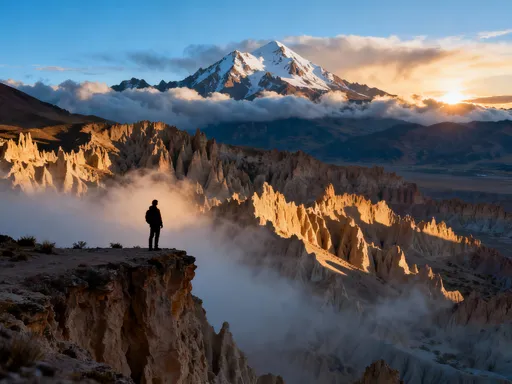
Just a 20-minute drive from downtown La Paz lies one of its most surreal natural attractions—Valle de la Luna, or Moon Valley. Despite its proximity to the city, this otherworldly landscape feels like another planet. Formed over millennia by intense wind and water erosion, the valley is a labyrinth of clay spires, narrow ridges, and deep ravines, sculpted into shapes that resemble ancient ruins or petrified forests. The soft, layered rock glows in hues of ochre, rust, and gray, shifting color with the changing light of day.
Walking through the valley, visitors are met with silence broken only by the whisper of wind through the canyons. The trails, well-marked but rarely crowded, wind through formations that seem too delicate to exist, standing like sentinels against the sky. Some resemble mushrooms, others twisted pillars, all shaped by nature’s patient hand. The texture underfoot is powdery and fine, a reminder of the fragility of this environment. Photographers find endless inspiration here, capturing the interplay of shadow and form, especially during sunrise and late afternoon when the low sun casts dramatic silhouettes.
Although known to locals and included in some city tours, Valle de la Luna is often overlooked by international travelers who prioritize longer excursions. This relative obscurity preserves its sense of solitude and wonder. To visit at its best, travelers should arrive early in the morning to avoid the midday sun and any small crowds. Comfortable walking shoes with good grip are essential, as the terrain can be uneven and slippery after rain. A light jacket is advisable even in the dry season, as temperatures fluctuate rapidly at this altitude.
Responsible tourism practices are vital in this delicate ecosystem. Visitors are encouraged to stay on marked paths to prevent erosion and avoid touching or removing any rock formations. There are no entrance fees managed by large corporations—instead, local community groups oversee access and preservation, ensuring that tourism benefits nearby residents. By respecting these guidelines, travelers contribute to the long-term protection of this fragile landscape while enjoying one of the most accessible natural wonders near La Paz.
Venturing Beyond the City: The Magic of the Cordillera Real
To the northeast of La Paz stretches the Cordillera Real, a majestic mountain range that forms part of the eastern Andes. With peaks soaring above 6,000 meters, including Illimani, Mururata, and Huayna Potosí, this range offers some of the most spectacular alpine scenery in Bolivia. Glaciers cling to the highest summits, feeding crystal-clear lakes and rushing streams that carve through high-altitude valleys. The air is crisp and thin, the sky a deep, unbroken blue—conditions that challenge the body but reward the spirit.
Unlike the more commercialized trekking regions of Peru or Ecuador, the Cordillera Real remains relatively untouched by mass tourism. There are no cable cars or luxury lodges here—just raw, unfiltered nature. This lack of infrastructure is precisely what makes it so special. Travelers who come here do so for solitude, for the chance to walk trails where footprints are few and the only sounds are the crunch of gravel under boots and the distant call of Andean birds. The sense of remoteness is palpable, even though many of these areas are within a few hours’ drive from the city.
One of the most accessible entry points is the Condoriri Valley, often called Bolivia’s “mini Patagonia” for its dramatic cirque of snow-covered peaks reflected in turquoise lakes. The valley is home to a series of glacial lagoons, each more stunning than the last, set against a backdrop of jagged spires that resemble stone sentinels. Day hikes to Laguna Arkhuma or Laguna Chiar Khota offer breathtaking views without requiring technical climbing skills. For more experienced trekkers, multi-day routes lead deeper into the range, following ancient trade paths used by indigenous communities for centuries.
Another popular destination is Chacaltaya, once home to the world’s highest ski resort. Though the glacier has largely receded due to climate change, the area remains a hub for high-altitude hiking and scientific research. Trails from Chacaltaya lead to panoramic viewpoints overlooking La Paz and the surrounding high plains, offering a unique perspective on the city’s relationship with its mountainous environment. Regardless of the route taken, travelers must prepare for the altitude. Acclimatization is essential—spending at least two days in La Paz before ascending higher helps the body adjust. Carrying water, snacks, and layered clothing is crucial, as weather can shift rapidly in the mountains.
The Forgotten Trail: Trekking the Undiscovered Choro Path
While the Inca Trail to Machu Picchu draws thousands each year, Bolivia’s Camino del Choro remains a hidden gem—a trek of equal beauty but far fewer crowds. Stretching approximately 65 kilometers from the outskirts of La Paz down into the humid Yungas region, this ancient Inca path descends over 4,000 meters in elevation, passing through three distinct ecological zones. It is a journey through worlds: from the windswept high Andes, through misty cloud forests, and finally into lush subtropical valleys teeming with life.
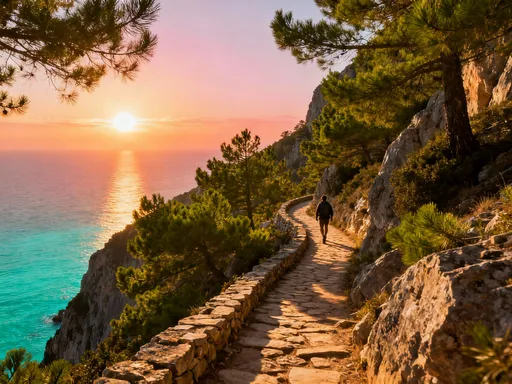
The first section of the trail winds through rocky paramo landscapes, where hardy ichu grass sways in the wind and Andean foxes dart between boulders. Ancient stone steps, worn smooth by centuries of use, guide hikers down narrow ridges with sweeping views of Illimani and the surrounding peaks. As the elevation drops, the climate shifts dramatically. The air grows warmer and more humid, and the vegetation transforms—ferns, orchids, and moss-covered trees emerge from the fog, creating an enchanted forest atmosphere. Waterfalls cascade down cliffsides, fed by constant mist and rainfall, their sounds echoing through the valley.
Along the way, remnants of Inca engineering can still be seen—stone retaining walls, irrigation channels, and terraces carved into the mountainside. These features speak to the ingenuity of a civilization that mastered high-altitude agriculture and long-distance travel. Unlike heavily regulated trails in other countries, the Choro Path is largely unguarded and uncommercialized, allowing for a deeply personal and immersive experience. Local families operate small eco-lodges along the route, offering simple meals and shelter in exchange for modest fees, ensuring that tourism benefits the community directly.
The ideal time to hike the Choro Path is during the dry season, from May to October, when trails are less muddy and visibility is clearer. Travelers should pack lightweight rain gear, sturdy hiking boots, and layers to accommodate the wide temperature range. Hiring a local guide is recommended, both for navigation and to learn about the region’s history and ecology. Most hikers complete the trek in three to four days, descending gradually to the town of Coroico, where warm weather and coffee plantations await. The journey is not just a physical descent but a transition through time, culture, and nature—a true immersion in Bolivia’s diverse landscapes.
Salar de Uyuni: The Journey Through Eduardo Avaroa Reserve
While Salar de Uyuni—the world’s largest salt flat—is widely recognized, the overland journey from La Paz through the Eduardo Avaroa Andean Fauna National Reserve is far less traveled, yet equally unforgettable. This high-altitude route, typically completed on a four-day 4x4 tour, traverses one of the most extreme and visually stunning environments on Earth. Starting from La Paz, travelers ascend into the Altiplano, a vast, treeless plateau where the air is thin and the horizon seems endless.
The reserve itself spans over 700,000 hectares and borders Chile and Argentina. It is a land of contrasts—boiling geysers erupt beside frozen lakes, multicolored lagoons shimmer under intense sunlight, and volcanoes loom in the distance like silent giants. One of the most iconic stops is Laguna Colorada, a red-hued lake rich in minerals and home to thousands of Andean flamingos, their pink feathers glowing against the rust-colored water. Nearby, fumaroles hiss steam into the frigid air, a reminder of the volcanic forces beneath the surface.
Another highlight is Sol de Mañana, a high-altitude geyser field where boiling mud pools and steam vents shoot into the sky. Standing at over 4,800 meters, this geothermal area feels like stepping onto another planet. The ground trembles slightly underfoot, and the smell of sulfur lingers in the air. Despite the harsh conditions, life persists—hardy vicuñas graze on sparse vegetation, and high-altitude birds circle overhead. Laguna Verde, nestled at the base of the Licancabur volcano, dazzles with its emerald waters, colored by copper and magnesium deposits.
Reaching these sites requires a rugged 4x4 vehicle and an experienced driver familiar with the unpaved, often snow-covered roads. Travelers must also prepare for extreme conditions—temperatures can drop below freezing at night, and altitude sickness is a real concern. Staying hydrated, eating light meals, and moving slowly help mitigate symptoms. Tours typically include camping in basic shelters or shared lodges with limited amenities, emphasizing the remote and adventurous nature of the trip.
Due to the fragility of this ecosystem, responsible travel is essential. Visitors are urged not to leave trash, disturb wildlife, or stray from designated paths. Many tour operators now follow strict eco-guidelines, limiting group sizes and supporting local conservation efforts. By traveling with care, visitors help preserve one of the planet’s most unique landscapes for future generations.
Local Wisdom: How Indigenous Communities Protect These Lands
Beneath the surface of Bolivia’s natural beauty lies a deep cultural foundation—one rooted in the traditions of the Aymara and Quechua peoples, who have lived in harmony with the Andes for thousands of years. Their worldview, shaped by reverence for Pachamama (Mother Earth), emphasizes balance, reciprocity, and stewardship. These values are not relics of the past but active principles guiding how communities today manage their lands and interact with visitors.
Across the regions surrounding La Paz, indigenous groups have established community-run eco-tourism initiatives that offer sustainable alternatives to mass tourism. In villages near the Choro Path, families open their homes as guesthouses, prepare traditional meals, and serve as guides, sharing stories of ancestral practices and local ecology. These efforts ensure that tourism revenue stays within the community, supporting education, healthcare, and infrastructure without compromising cultural integrity.
Land management practices reflect a long-term vision. Crop rotation, water conservation, and rotational grazing are used to maintain soil fertility and prevent erosion. Sacred sites are protected from overuse, and ceremonies are held to honor the mountains, lakes, and rivers. Visitors who participate in these experiences are often invited to join in small rituals—offering coca leaves or prayers—as a gesture of respect and gratitude.
These practices stand in contrast to extractive models of tourism that prioritize profit over preservation. By choosing community-led tours, travelers not only gain authentic insights but also contribute to conservation. NGOs and government programs have begun to recognize the value of these traditional systems, partnering with local leaders to expand protected areas and support sustainable development. The future of Bolivia’s natural wonders depends not only on environmental policies but on honoring the knowledge and rights of those who have守护 them for generations.
Planning Your Own Escape: Practical Tips for Exploring La Paz’s Wild Side
For those ready to explore the natural wonders beyond La Paz, thoughtful preparation is key to a safe and rewarding experience. The best time to visit is during the dry season, from May to October, when skies are clearer, trails are more stable, and temperatures are more predictable. While the city itself is accessible year-round, high-altitude destinations like the Cordillera Real or Eduardo Avaroa Reserve become challenging during the rainy season due to mudslides and poor road conditions.
Altitude acclimatization should be a top priority. Arriving directly from sea level can lead to headaches, nausea, and fatigue. Experts recommend spending at least two full days in La Paz before embarking on any high-altitude excursion. Drinking coca tea, staying hydrated, and avoiding alcohol helps the body adjust. Many locals chew coca leaves for mild relief, though this is a personal choice and not necessary for all travelers.
Transportation options vary depending on the destination. Valle de la Luna and the Choro Path trailhead are reachable by taxi or private car. For more remote areas like the Cordillera Real or Uyuni, joining a reputable tour operator is advisable. Look for companies with certified guides, well-maintained vehicles, and strong safety records. Independent travel is possible but requires careful planning, especially in regions with limited communication and medical facilities.
Packing wisely makes a significant difference. Layered clothing is essential—temperatures can swing from freezing at dawn to warm by midday. A waterproof jacket, sun hat, sunglasses, and high-SPF sunscreen protect against intense UV radiation at high elevations. Sturdy hiking boots, a reusable water bottle, and snacks like nuts or energy bars should be part of every daypack. For multi-day treks, a good-quality sleeping bag and headlamp are recommended.
Finally, adopt a mindset of mindful travel. Move slowly, listen to local guides, and respect cultural and environmental boundaries. Avoid single-use plastics, carry out all trash, and support local businesses whenever possible. Whether spending a morning in Moon Valley or a week traversing the Altiplano, the goal is not just to see these places but to connect with them in a meaningful way. La Paz’s wild side is not a spectacle to consume—it is a living, breathing world that invites reverence, curiosity, and care. By exploring with intention, travelers become part of a legacy of protection and wonder, discovering not just landscapes, but the soul of the Andes.