You Won’t Believe What I Found Shopping for Art in Yekaterinburg
Yekaterinburg isn’t just steel and Soviet history—its soul lives in paint, clay, and handmade dreams. I went looking for souvenirs but stumbled into a world where every purchase tells a story. From hidden galleries to bustling craft markets, art here isn’t just displayed—it’s lived. If you think Russian culture stops at matryoshkas, wait until you see how the Urals turn tradition into something wild, bold, and beautifully real. This is shopping with meaning—and trust me, you’ve never bought art like this before.
The Unexpected Art Pulse of Yekaterinburg
Often described as Russia’s industrial backbone, Yekaterinburg carries the legacy of factories, railways, and Soviet-era pragmatism. Yet beneath its sturdy exterior beats a surprisingly vibrant artistic pulse—one that has flourished in the decades since the fall of the USSR. As old machinery fell silent, creative energy filled the void. Abandoned warehouses and disused factory spaces, once symbols of a bygone era, have been reborn as studios, galleries, and performance venues. This transformation is not merely architectural; it reflects a deeper cultural shift. Artists in Yekaterinburg are reclaiming identity, using their work to explore what it means to be both modern and rooted in Ural traditions.
The city’s post-Soviet evolution has created fertile ground for independent expression. While state-sponsored art once dominated, today’s creators operate with greater freedom, often working in collectives that emphasize collaboration over competition. These groups—such as the Ural Experimental Studio and the Sverdlovsk Art Union—have become incubators for new ideas, where painters, sculptors, and textile artists experiment with form and meaning. Many are drawn to themes of resilience, memory, and regional pride, weaving local history into contemporary pieces. The art that emerges is neither nostalgic nor rebellious in a political sense, but deeply personal and reflective of a community rediscovering its voice.
What makes this scene particularly compelling is its accessibility. Unlike the exclusive galleries of Moscow or St. Petersburg, Yekaterinburg’s art spaces often welcome visitors without pretense. Open studio days, community exhibitions, and artist-led tours are common, especially in neighborhoods undergoing creative revitalization. Here, art is not locked behind glass or reserved for the elite—it is part of daily life, integrated into cafes, bookstores, and even public transportation hubs. For travelers seeking authenticity, this grassroots energy offers a rare opportunity to engage directly with living culture, not just curated displays.
Where Art Meets the Aisle: Shopping as Cultural Immersion
In Yekaterinburg, shopping for art transcends mere acquisition—it becomes an act of cultural participation. Each piece purchased carries not only aesthetic value but also a thread of personal and regional history. When visitors choose to buy from local artisans rather than mass-market vendors, they contribute to the preservation of endangered crafts and support families who have passed down techniques for generations. This shift in perspective—from consumer to participant—transforms the shopping experience into something meaningful and lasting.
Traditional Ural craftsmanship includes a range of distinctive art forms, many of which are still practiced in small workshops scattered across the city and surrounding villages. Enamelwork, known for its luminous colors and intricate detailing, remains a hallmark of regional design. Skilled artisans apply layers of powdered glass to metal surfaces, then fire them in kilns to produce decorative boxes, pendants, and religious icons. Wood carving, another enduring tradition, produces everything from ornate furniture to delicate figurines depicting folk tales and seasonal rituals. Textile arts, including handwoven shawls and embroidered table linens, reflect the influence of both Slavic and indigenous Mansi and Khanty patterns, creating a visual language unique to the Urals.
What sets these items apart is not just their beauty but their origin. Family-run workshops, often operating out of converted apartments or garden sheds, maintain standards of quality that commercial producers cannot replicate. In many cases, the same tools and methods used decades ago are still in use today. By choosing to buy from these artisans, travelers help sustain a way of life that might otherwise fade. Moreover, these interactions often lead to conversations—about technique, inspiration, or family history—that enrich the travel experience far beyond the transaction itself. A simple purchase becomes a bridge between worlds, connecting the visitor to a deeper understanding of place and people.
Top Districts for Art-Centric Shopping
To truly experience Yekaterinburg’s artistic landscape, one must explore its most dynamic neighborhoods—each offering a distinct flavor of creativity. The Art District, centered around Rabochaya Sloboda, stands out as a hub of innovation. Once a working-class enclave with modest housing and small workshops, it has evolved into a destination for contemporary art lovers. Murals cover building facades, repurposed industrial spaces host rotating exhibitions, and independent designers open pop-up boutiques during weekends. The atmosphere is relaxed yet charged with creative energy, making it ideal for unhurried exploration.
Vainera Street, named after the Soviet writer and journalist Ilya Vainer, has emerged as a gallery row that rivals those in larger Russian cities. Lined with sleek white-walled spaces and intimate project rooms, this avenue showcases everything from conceptual photography to experimental sculpture. What makes Vainera special is its balance between professionalism and approachability. Gallery owners and curators often greet visitors personally, offering insights into the artists’ intentions and creative processes. Temporary installations and seasonal exhibitions ensure that no two visits are the same, encouraging repeat exploration.
Equally significant is the cultural complex surrounding the Boris Yeltsin Presidential Center. While the center itself is dedicated to modern Russian history, its surrounding plaza and adjacent buildings serve as a magnet for creative activity. Regular craft fairs, book markets, and live music events draw both locals and tourists, creating a lively, community-driven environment. Nearby, co-working spaces double as exhibition venues, where emerging artists display their work alongside digital projects and design prototypes. The synergy between historical reflection and artistic innovation makes this area a microcosm of Yekaterinburg’s evolving identity.
Seasonal events further enhance the city’s artistic offerings. Spring and autumn bring open-air markets like the Yekaterinburg Handmade Fair, where dozens of vendors gather to sell ceramics, jewelry, textiles, and paper art. Winter holidays inspire festive bazaars featuring traditional decorations, hand-painted ornaments, and seasonal treats. These temporary gatherings not only provide excellent shopping opportunities but also reflect the rhythm of local life, allowing visitors to witness how art integrates with everyday celebrations.
Must-Visit Spots: Galleries, Markets & Hidden Studios
For travelers seeking authentic artistic experiences, several locations in Yekaterinburg stand out as essential stops. The Urals Art Salon, located in a restored 19th-century mansion near the city center, offers a curated selection of paintings, sculptures, and applied arts from regional artists. Its elegant interiors contrast with the rawness of industrial spaces elsewhere, providing a refined setting for appreciating craftsmanship. Exhibitions change monthly, often organized around thematic cycles such as “Nature of the Urals” or “Industrial Memory,” inviting deeper engagement with local narratives. Entry is modestly priced, and guided tours in basic English are available upon request.
Equally rewarding is a visit to the Koltsovo Antique Fair, held every second Sunday in a spacious exhibition hall on the city’s southern edge. Though not exclusively focused on art, the fair attracts serious collectors and casual browsers alike, offering everything from vintage porcelain to hand-forged ironwork. Many vendors specialize in Ural-made items, including enamel brooches, carved birchwood boxes, and antique maps of the Trans-Siberian Railway. Prices vary widely, but bargaining is customary and expected, especially for higher-value pieces. Visitors are advised to arrive early for the best selection and to allow ample time for inspection, as authenticity can sometimes require careful evaluation.
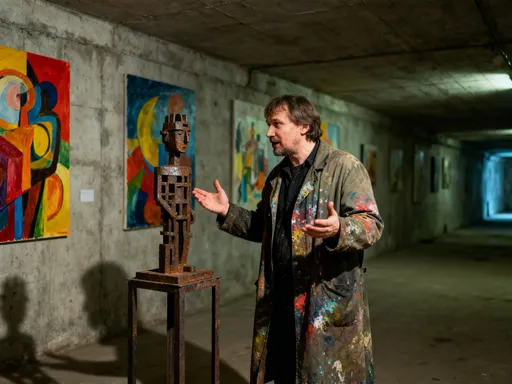
One of the most enriching experiences is attending an open studio event, typically organized during the annual Ural Industrial Biennial or the City Day celebrations. During these weekends, artists across the city unlock their private workspaces, inviting the public to observe them at work, ask questions, and even try their hand at simple techniques. These informal gatherings remove the barrier between creator and audience, fostering genuine connection. Some studios offer limited-edition prints or small-format works exclusively during these events, making them ideal for acquiring unique pieces without the premium prices of formal galleries.
Practical considerations enhance the experience. Most galleries and markets operate from 10 a.m. to 7 p.m., with shorter hours on Sundays. Cash remains widely accepted, though larger venues increasingly support card payments. When interacting with artists, a polite demeanor and genuine interest go a long way—many appreciate when visitors take time to learn about their process. While English is not universally spoken, simple gestures, translation apps, and printed brochures often bridge the gap. Above all, patience and respect ensure that the experience remains positive for everyone involved.
What to Buy (And Why It Matters)
Yekaterinburg offers a wealth of distinctive art forms, each rooted in regional heritage and natural resources. Among the most celebrated is Zlatoust metal engraving, a centuries-old technique originating in the nearby town of Zlatoust. Renowned for its intricate depictions of wildlife, historical scenes, and floral motifs, this craft involves hand-chiseling steel or iron surfaces with astonishing precision. Originally developed for decorative weaponry, it is now applied to wall panels, knives, and commemorative plaques. Owning a piece of Zlatoust engraving means possessing a fragment of martial artistry transformed into peaceful expression—a testament to how cultural practices evolve over time.
Equally iconic is jewelry made from Ural semi-precious stones. The region’s mountains yield a rich variety of minerals, including amethyst, malachite, rhodonite, and charoite. Artisans cut and polish these stones into pendants, earrings, and rings, often setting them in silver with minimalist designs that highlight the stone’s natural beauty. Each gem carries geological history—formed under immense pressure and heat—making it not just an ornament but a piece of the Earth’s story. For many buyers, these pieces serve as personal talismans, valued as much for their emotional resonance as their visual appeal.
Another beloved tradition is Khokhloma-style painting, adapted in the Urals with local variations. Though originally from central Russia, this technique—characterized by red, black, and gold floral patterns on wooden surfaces—has been embraced by Ural craftsmen who incorporate regional motifs such as pine forests, snowflakes, and mountain silhouettes. Common items include spoons, bowls, and decorative boxes, all finished with a lacquer that gives them a glossy, almost metallic sheen. These pieces are not only beautiful but functional, bringing art into the home in everyday objects.
For those drawn to contemporary expression, avant-garde prints and mixed-media works offer bold alternatives. Local artists experiment with abstraction, digital manipulation, and recycled materials, creating pieces that challenge conventional ideas of Russian art. These modern creations often reflect global influences while remaining anchored in local experience—such as urban decay, environmental change, or the interplay between technology and tradition. Collecting such works allows travelers to bring home not just beauty but dialogue, sparking conversations about culture, identity, and progress.
Navigating the Experience: Tips for Thoughtful Collecting
With so many options, discerning authentic, high-quality pieces from mass-produced imitations requires attention and intention. One of the most reliable ways to ensure authenticity is to buy directly from artists or reputable galleries that provide provenance information. Look for signatures, studio stamps, or certificates of origin, especially for higher-value items like engraved metalwork or semi-precious stone jewelry. In markets, ask vendors about the source of their goods—those selling handmade pieces will typically be proud to explain their origins.
Understanding materials is equally important. For example, genuine Ural malachite has a distinctive swirling green pattern and a cool, smooth texture. Imitations made from resin or painted ceramics lack depth and feel lighter in the hand. Similarly, real Zlatoust engraving shows fine, consistent lines with no signs of machine stamping. When in doubt, compare multiple examples side by side to detect subtle differences in craftsmanship.
Engaging with makers can deepen appreciation and ensure informed choices. Most artists welcome questions about their inspiration, process, and materials. Learning that a ceramic bowl was shaped from local clay, fired in a wood-burning kiln, and painted with natural pigments adds layers of meaning to the object. Even simple interactions—such as asking how to care for a piece or what it represents—can transform a purchase into a shared moment of connection.
For non-Russian speakers, learning a few key phrases can enhance the experience. Words like “skolko stoit?” (how much does it cost?), “eto rukodelie?” (is this handmade?), and “spasibo, krasivo” (thank you, it’s beautiful) demonstrate respect and interest. Translation apps can assist with more detailed conversations, but sincerity often transcends language. A smile, eye contact, and genuine curiosity communicate more than perfect grammar ever could.
Beyond the Purchase: How Art Keeps the Journey Alive
A souvenir from Yekaterinburg is more than a decorative object—it is a vessel of memory, emotion, and cultural exchange. When you place a hand-painted ceramic plate on your wall or wear a pendant carved from Ural stone, you carry a piece of the city’s spirit into your daily life. These objects do not merely remind you of where you’ve been; they reconnect you to the people you met, the stories you heard, and the moments of wonder you experienced.
Art has a unique ability to sustain travel memories in ways that photographs alone cannot. While images capture appearances, handmade pieces embody presence—the texture of a brushstroke, the weight of a carved spoon, the warmth of a conversation with its maker. They invite touch, use, and contemplation, becoming part of your home’s narrative. Over time, they may even inspire new journeys, as friends and family ask about their origins and you find yourself reliving the trip through storytelling.
Moreover, collecting art with intention supports a larger purpose: the preservation of cultural heritage. Every purchase that favors authenticity over convenience helps keep traditional crafts alive. It affirms the value of slow, thoughtful creation in a world increasingly dominated by speed and uniformity. In choosing to buy meaningfully, travelers become stewards of creativity, ensuring that future generations can also discover the beauty of places like Yekaterinburg.
To all who seek more from their travels: look beyond the obvious landmarks. Step into a gallery, wander a craft market, speak with an artist. Let your souvenirs be more than trinkets—let them be stories, symbols, and silent ambassadors of human expression. In Yekaterinburg, art is not hidden away; it waits in plain sight, ready to be seen, shared, and carried home.