This Is Why Pula’s Art and Culture Scene Will Blow Your Mind
You know that feeling when a place just surprises you? Pula, Croatia, did that to me. I went for the coastline, but stayed for the soul. From ancient Roman ruins to bold contemporary galleries, this coastal gem pulses with creative energy. It’s not just history—it’s living, breathing culture. If you’re chasing authentic artistic vibes off the beaten path, Pula isn’t just worth a stop. It’s worth a deep dive. Nestled at the southern tip of the Istrian Peninsula, Pula offers more than sun-drenched shores and turquoise waters. Beneath its Mediterranean charm lies a thriving cultural heartbeat, one that harmonizes millennia-old heritage with modern creative expression. This is a city where gladiators once clashed under open skies, and today, filmmakers premiere their work in the same ancient stone arena. It’s a place where art isn’t confined to museums—it spills into alleyways, cafes, and community centers, inviting travelers to experience culture as locals live it. For women in their 30s to 50s who seek meaningful travel—destinations rich in story, authenticity, and quiet inspiration—Pula delivers with grace and depth.
First Impressions: A Coastal City with a Creative Pulse
Arriving in Pula, the first thing you notice is the way the light dances across the Adriatic Sea, casting shimmering reflections on pastel-colored buildings that climb gently from the harbor. The air carries the scent of salt and pine, mingling with the faint aroma of espresso from sidewalk cafés. At first glance, Pula appears to be a classic Mediterranean seaside town—charming, relaxed, and built for leisure. Many visitors come for the beaches, the mild climate, and the ease of island-hopping to nearby Brijuni National Park. But within minutes of stepping into the old town, a different rhythm emerges. The city’s streets, paved with Roman stone, lead not only to historic landmarks but also to intimate galleries, artisan workshops, and pop-up performance spaces. There’s a quiet energy here, one that suggests Pula is more than a summer escape—it’s a cultural crossroads shaped by centuries of layered influences.
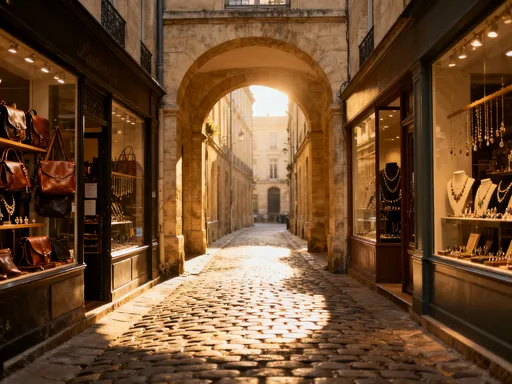
What sets Pula apart is how naturally it blends its ancient past with contemporary life. Unlike some historic cities where heritage feels preserved behind glass, Pula’s history is lived. The Roman Forum, once the heart of civic life nearly 2,000 years ago, now serves as a gathering place for locals and a backdrop for open-air concerts. Nearby, modern Istrian designers display handcrafted jewelry in boutiques that occupy centuries-old buildings. This seamless integration of old and new isn’t accidental—it reflects a community deeply proud of its roots while embracing creative evolution. For travelers who appreciate authenticity, this balance offers a refreshing contrast to more commercialized destinations where culture feels performative rather than organic.
The city’s architectural landscape tells this story vividly. Alongside the grandeur of Roman monuments stand Austro-Hungarian-era buildings with ornate facades and Venetian-inspired details, remnants of Pula’s complex past under various rulers. Yet, amid these historical layers, you’ll find sleek art spaces, mural-covered alleyways, and contemporary sculptures nestled in public squares. This coexistence doesn’t feel jarring; instead, it feels intentional, as though Pula has made a quiet promise to honor its legacy while making space for new voices. For women seeking destinations that offer both beauty and substance, Pula’s creative pulse provides a deeply satisfying experience—one that engages the senses and the soul.
The Crown Jewel: Pula Arena and Its Cultural Legacy
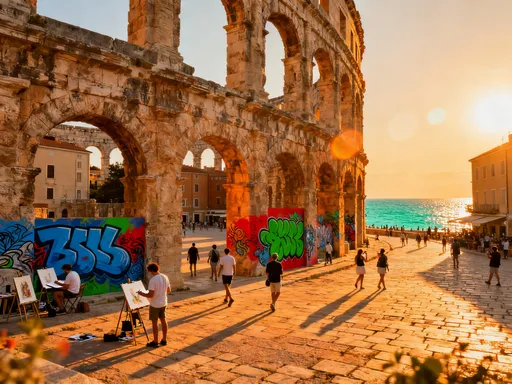
Standing before the Pula Arena is like stepping into a living postcard of history. This remarkably preserved Roman amphitheater, built in the 1st century AD during the reign of Emperor Vespasian, is one of the best-preserved examples of its kind in the world. With its imposing limestone walls and symmetrical arches, the Arena rises from the cityscape like a monument frozen in time—yet far from being a relic, it is vibrantly alive. Hosting over 7,000 spectators, it remains a central stage for cultural events that draw international attention. The fact that this ancient structure still functions as a performance venue is a testament to Pula’s ability to honor the past while embracing the present.
Originally constructed for gladiator battles and public spectacles, the Arena has evolved into a symbol of cultural continuity. Today, it hosts the Pula Film Festival each summer, one of Europe’s oldest and most prestigious outdoor cinema events. Watching a classic or contemporary film under the open sky, surrounded by ancient stone walls, creates an unforgettable atmosphere. The experience is both cinematic and historical—a rare blend that few destinations can offer. Beyond film, the Arena also stages concerts by international artists, opera performances, and even theatrical reenactments that bring Roman history to life. These events are not mere tourist attractions; they are community celebrations, attended by families, artists, and longtime residents who view the Arena as a shared cultural treasure.
For visitors, guided tours provide deeper insight into the Arena’s engineering, history, and ongoing role in civic life. Knowledgeable local guides explain how the underground chambers once held animals and performers, how the seating reflected social hierarchy, and how the structure has survived earthquakes and wars. Seasonal events, such as historical reenactments or themed tours during Heritage Days, allow guests to step even further into the past. But perhaps the most powerful aspect of the Arena is its accessibility. Unlike museums that require tickets and silence, the Arena invites interaction. You can walk its corridors, touch its weathered stones, and imagine the roar of the crowd centuries ago—all while feeling the breeze from the sea. For women who value meaningful connections to history, this living monument offers both awe and intimacy.
Beyond the Arena: Hidden Art Spaces and Local Galleries
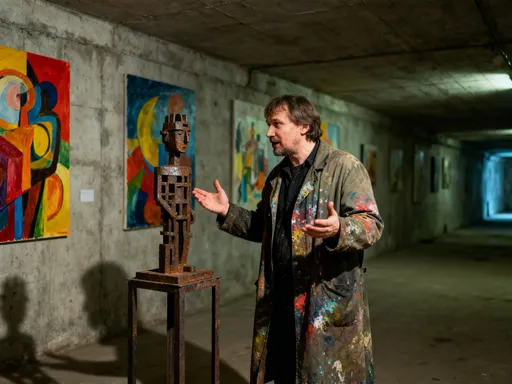
While the Arena captures the imagination, Pula’s true artistic depth unfolds in its smaller, lesser-known galleries. These intimate spaces offer a more personal encounter with Istrian creativity, showcasing artists whose work reflects the region’s landscape, identity, and evolving culture. Galerija Lang, located just a short walk from the Forum, is one such gem. Housed in a restored historic building, it features rotating exhibitions of contemporary painting, sculpture, and multimedia installations. What makes it special is its focus on emerging and mid-career artists from Istria, giving visitors a chance to discover fresh voices before they gain wider recognition.
Another key hub is KULTURA.CENTAR, a dynamic cultural venue that functions as both gallery and community space. Here, art is not displayed behind velvet ropes but integrated into daily life. Exhibitions often include interactive elements, artist talks, and workshops that encourage participation. Recent shows have explored themes like coastal sustainability, the legacy of Istrian migration, and the intersection of tradition and technology. The atmosphere is welcoming and unpretentious—exactly the kind of space where creativity feels accessible rather than exclusive. For women who appreciate thoughtful, socially engaged art, these galleries offer a refreshing alternative to large, impersonal museums.
What stands out about Pula’s gallery scene is its authenticity. There’s no commercial pressure to cater to mass tastes. Instead, these spaces are driven by passion and local connection. Many exhibitions are curated by artists themselves or by small nonprofit organizations committed to cultural development. Admission is often free or by donation, reinforcing the idea that art should be inclusive. Visiting these spaces feels like being let in on a well-kept secret—one that rewards curiosity and openness. Whether you’re drawn to bold abstract canvases, delicate ceramic work, or conceptual photography, Pula’s galleries provide a rich, varied experience that reflects the soul of the region.
Street Art & Urban Expression: The City as a Canvas
Art in Pula isn’t confined to galleries—it flows through the city’s streets, transforming ordinary walls into vibrant storytelling surfaces. In neighborhoods like Valdibora and near the old harbor, murals and graffiti depict everything from mythological sea creatures to modern interpretations of Istrian folklore. Unlike street art in some cities that can feel rebellious or transient, Pula’s urban art is often community-supported, created through local initiatives or municipal programs that invite artists to beautify public spaces. The result is a cityscape that feels alive with color, message, and meaning.
One striking example is a large mural near the fish market, where a mosaic-style painting blends traditional maritime motifs with contemporary design. It honors Pula’s fishing heritage while celebrating the resilience of coastal communities. Elsewhere, whimsical characters and abstract patterns enliven alleyways, turning routine walks into visual discoveries. These works are not vandalism but contributions to the city’s cultural fabric—recognized and valued by residents. Some have even become informal landmarks, mentioned in local guides and shared on social media by visitors who appreciate their creativity.
For travelers who enjoy self-guided exploration, Pula offers excellent opportunities to experience street art at your own pace. While organized walking tours are available—led by local artists or cultural educators—many prefer to create their own route using maps from the tourist information center or recommendations from café owners. Starting from the harbor and winding through the old town, you’ll encounter everything from small stencil works to expansive multi-wall installations. Each piece tells a story, whether it’s a tribute to Istrian identity, a commentary on environmental issues, or a simple celebration of color and form. This open-air gallery makes art accessible to everyone, reinforcing Pula’s ethos of cultural inclusivity.
Festivals That Define the Calendar: When Culture Takes Center Stage
Pula’s cultural calendar is rich with events that transform the city into a stage for shared celebration. The most renowned is the Pula Film Festival, held annually in July and August within the Arena. Established in 1954, it is one of the longest-running film festivals in Europe and the only one that takes place in a Roman amphitheater. Each night, under a canopy of stars, audiences gather to watch international and regional films, from award-winning dramas to restored classics. The atmosphere is electric yet relaxed—families bring blankets, couples share wine, and film lovers from across the continent come together in a space where history and cinema collide.
Equally compelling is Živi Ritam (Live Rhythm), a multidisciplinary arts festival that takes over various venues across Pula each summer. Featuring live music, dance performances, theater, and street art installations, Živi Ritam turns the city into a dynamic playground of expression. Performances happen in parks, courtyards, and even on boats docked in the harbor, ensuring that culture is never confined to formal spaces. The festival emphasizes accessibility, with many events free to attend, making it a favorite among locals and visitors alike. For women who enjoy immersive cultural experiences, Živi Ritam offers a chance to see Pula at its most animated and inclusive.
Smaller art fairs and craft markets also populate the summer months, often held in the Forum or along the seafront promenade. These gatherings showcase handmade jewelry, textiles, ceramics, and paintings by Istrian artisans. They’re not tourist traps but genuine community events, where you can meet the makers, hear their stories, and take home a piece of Pula’s creative spirit. Practical tips for attending these festivals include booking accommodations early, arriving early for popular screenings, and combining event visits with seaside dining—many restaurants extend their hours during festival season, offering special menus and outdoor seating with views of the water.
Creative Bites: Cafés, Bookshops, and Cultural Hangouts
Culture in Pula isn’t just experienced in grand venues or formal settings—it’s woven into everyday life, especially in its cafés and independent bookshops. These spaces serve as quiet sanctuaries where creativity and conversation flourish. One standout is Knjižara Urbi et Orbi, a cozy bookstore that doubles as a cultural salon. With shelves lined with Croatian and European literature, art books, and travel guides, it also hosts regular poetry readings, author signings, and small art exhibitions. Sitting with a cup of herbal tea in the reading nook, you might overhear a discussion about Istrian identity or catch a glimpse of a local painter displaying their latest work.
Another favorite is Café Galerija, located just off the main square. More than just a place to enjoy coffee, it functions as a rotating art space, with walls changing monthly to feature new artists. The menu includes locally sourced pastries and organic wines, reinforcing a commitment to sustainability and regional pride. On weekend evenings, the café hosts acoustic music sessions, where singer-songwriters perform original pieces in an intimate setting. These moments—quiet, unscripted, and heartfelt—capture the essence of Pula’s cultural scene.
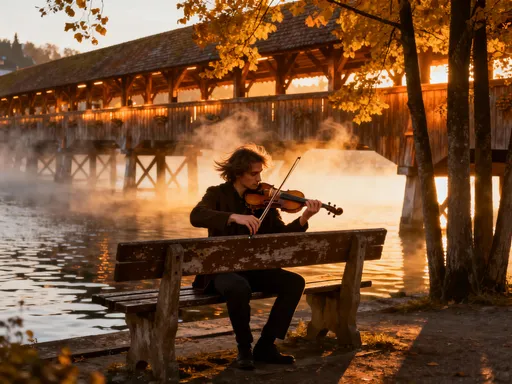
For a deeper immersion, consider a self-guided “creative stroll” through the old town, linking these cultural hubs. Begin at the Forum, visit Galerija Lang, stop for coffee at Café Galerija, browse books at Urbi et Orbi, and end with a sunset walk along the harbor, where street performers often play violin or guitar. This kind of itinerary doesn’t require a strict schedule—it invites you to move at your own pace, to linger where you’re drawn, and to let the city reveal itself gradually. For women who value reflection, beauty, and connection, these moments of quiet discovery are often the most memorable.
Why Pula Stands Out: The Bigger Picture of Cultural Travel
In an age when many cultural destinations feel overcrowded or overly commercialized, Pula offers a refreshing alternative. It doesn’t rely on flashy advertising or mass tourism to draw visitors. Instead, it invites those who seek depth, authenticity, and a sense of belonging. Unlike cities where culture feels curated for outsiders, Pula’s artistic life is rooted in community. Galleries host local artists, festivals engage residents, and public spaces reflect shared values. This isn’t culture as performance—it’s culture as practice, lived and evolving.
Compared to more famous European capitals, Pula stands out for its balance. It has the historical weight of Rome, the coastal charm of the Amalfi Coast, and the creative energy of a thriving arts scene—all without the overwhelming crowds. You can spend an hour in silent contemplation at a small gallery, enjoy a meal at a family-run konoba (tavern), and end the evening at an open-air concert, all within walking distance. The pace is gentle, the atmosphere warm, and the experience deeply personal.
For women who travel not just to see, but to feel and understand, Pula offers a rare gift: the chance to connect with a place on its own terms. It doesn’t demand attention; it invites curiosity. Whether you’re standing beneath the arches of the Arena, sipping coffee in a book-filled café, or tracing the lines of a hand-painted mural, you’re not just observing culture—you’re becoming part of it, if only for a moment. In a world that often feels rushed and superficial, Pula reminds us that the most meaningful journeys are the ones that touch the heart.
Pula doesn’t shout about its art and culture—it lets you discover it, piece by piece. Whether under the shadow of the Arena or in a tucked-away gallery, the city invites curiosity. Choosing Pula isn’t just about seeing something beautiful. It’s about feeling connected to a place where history and creativity coexist. For the traveler who wants more than a photo op, this is where the journey deepens.